- All
- Product Name
- Product Keyword
- Product Model
- Product Summary
- Product Description
- Multi Field Search
 |




| Quantity: | |
|---|---|
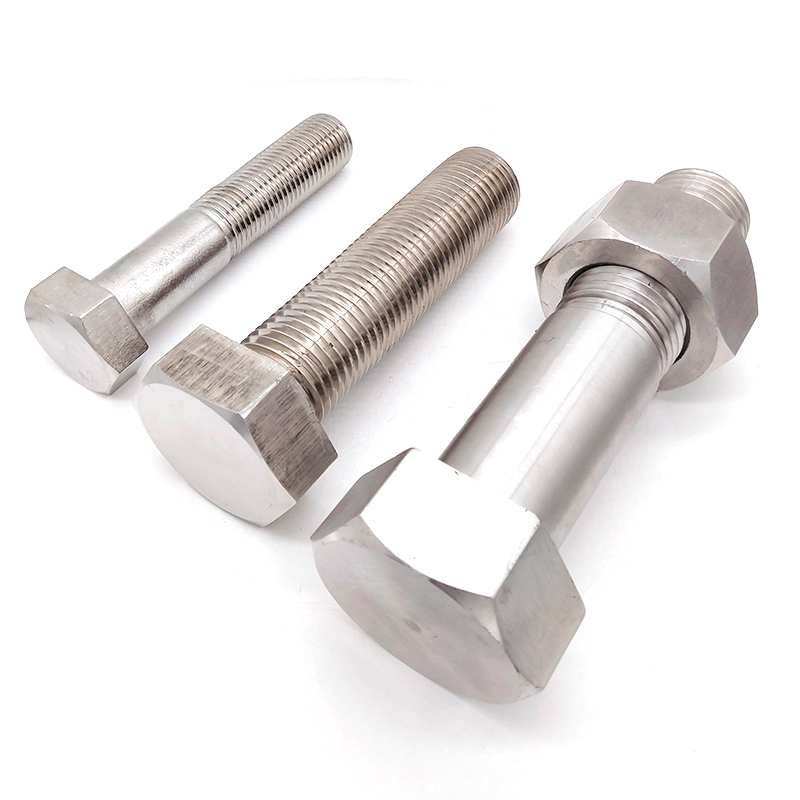


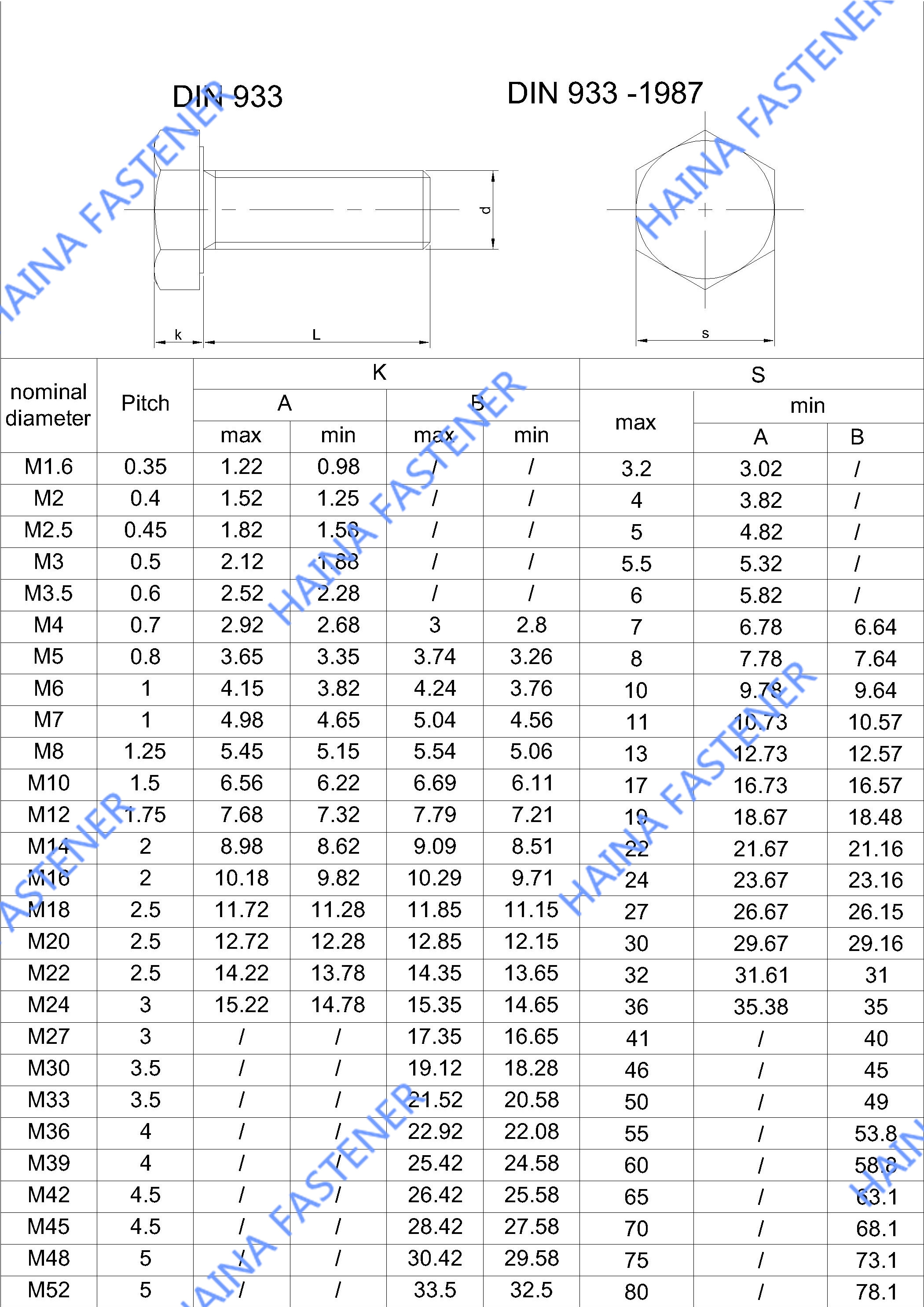
DIN933 DIN931
HINA
HNF2021011501
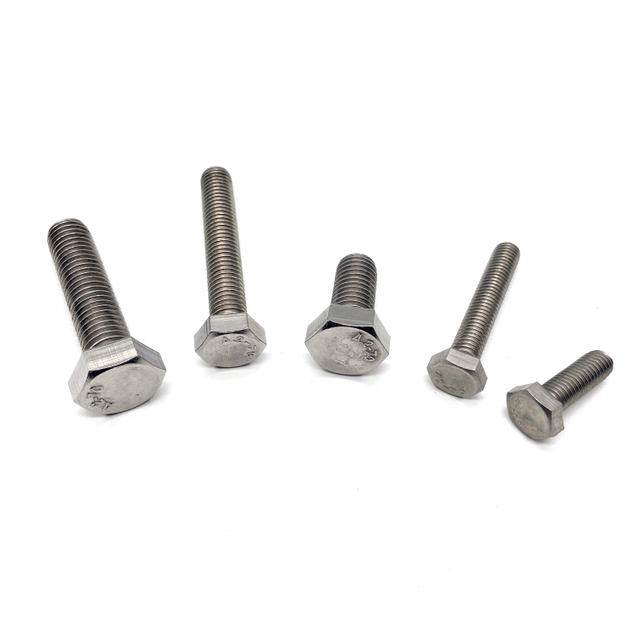
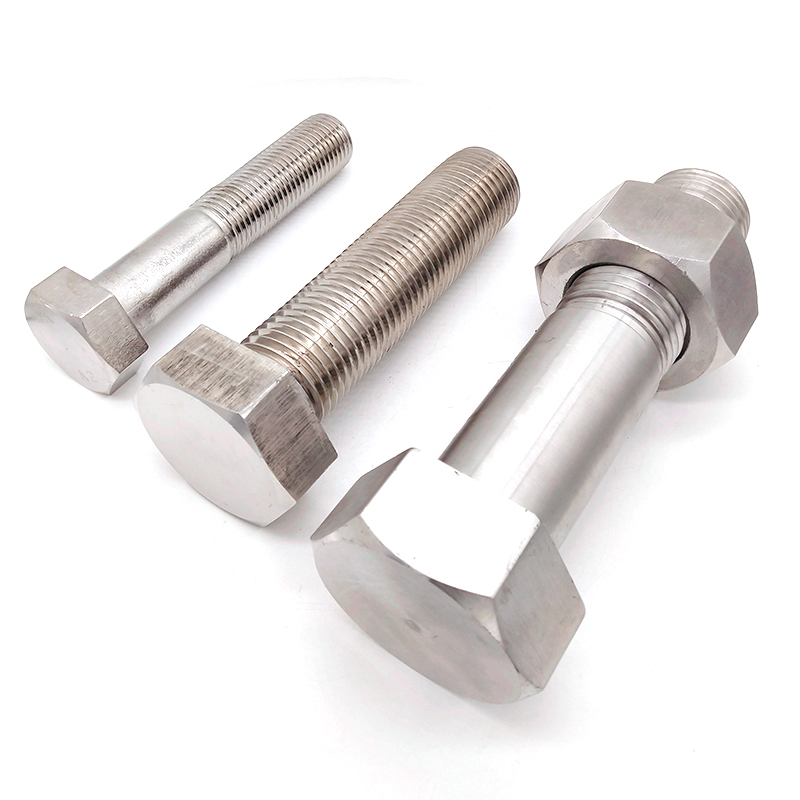
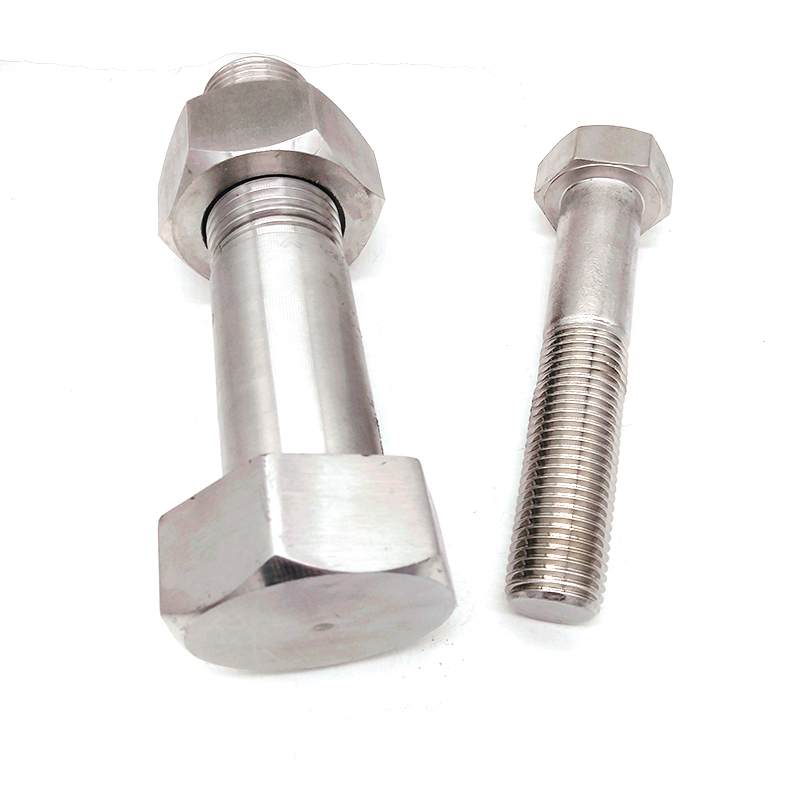
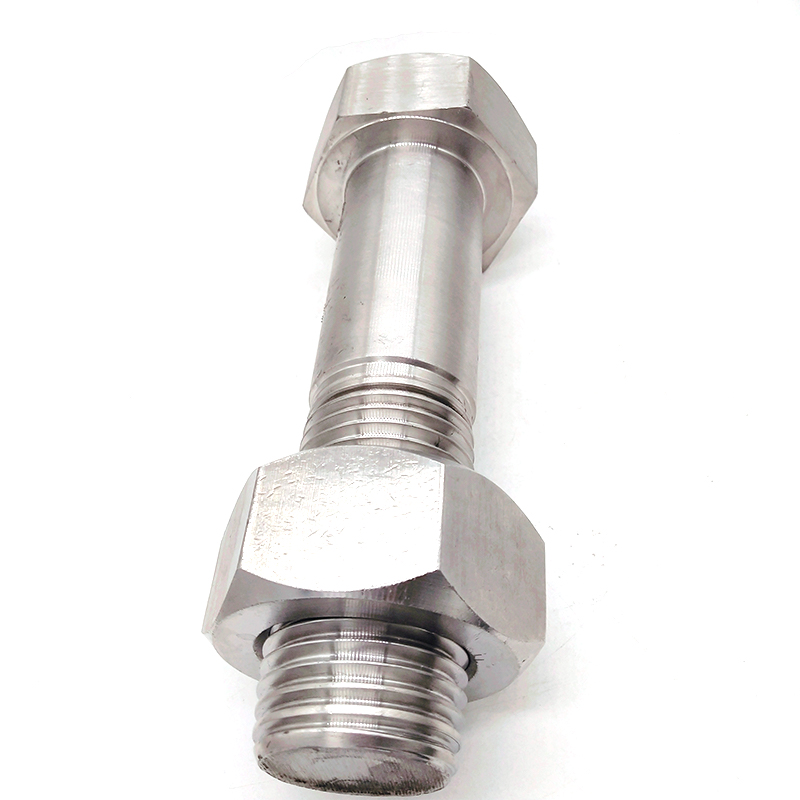
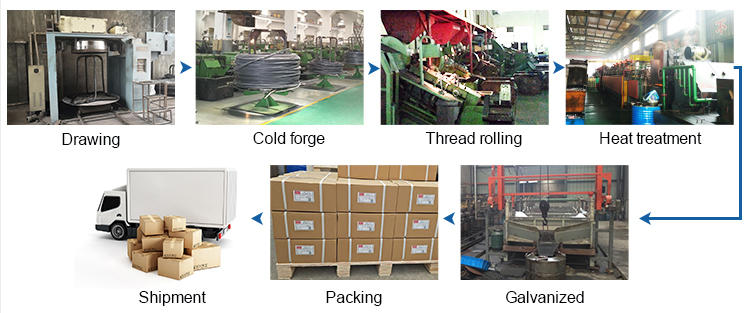
Hexagonal bolts, also known as hex head bolts, are screws with a head in the shape of a hexagon used to securely connect two or more objects together. Its design is usually paired with a hexagonal nut and can be installed using a wrench to tighten. Common materials for hexagonal bolts include stainless steel, carbon steel, and alloy steel to ensure their strength and durability.
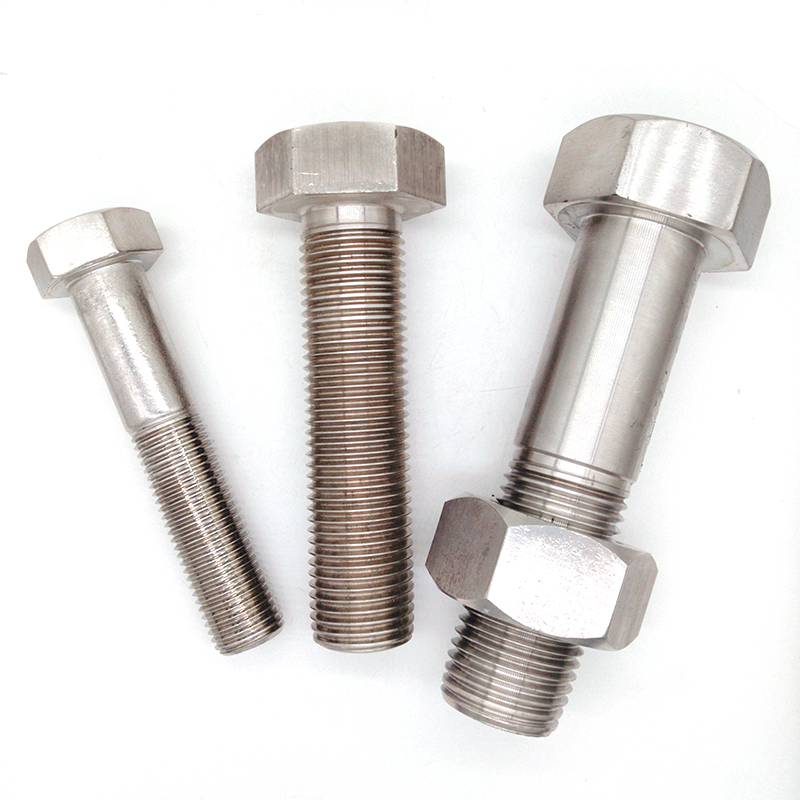

Production Process
Product Application
1. Construction: Hexagonal bolts are often used to connect steel frames in building structures to ensure structural stability.
2. Mechanical equipment: In the assembly of mechanical equipment, they are used to fix various components.
3. Automobile industry: Used to connect the chassis, engine and other parts of the car to ensure the firmness and durability of the components.
4. Household items: Commonly used in the assembly of furniture, such as bed frames, tables and chairs, etc., where stable connections are required.
Advantages
- Easy installation: The hexagonal head design is convenient for wrench operation and is suitable for installation needs in various spaces.
- High connection strength: Hexagonal bolts can withstand large loads and are suitable for structures that require strong fixation.
- Wide application: Suitable for the connection of a variety of materials, commonly found in the combination of metal, wood and plastic.
- Easy to disassemble and maintain: It can be easily disassembled and used in occasions where maintenance or replacement of parts is required.
Disadvantages
- Large space occupation: The hexagonal head requires a large operating space and is not suitable for applications in very small spaces.
- May be affected by corrosion: If rust-proof materials are not used, it is easy to rust in a humid environment.
- Higher cost: Hexagon bolts may have slightly higher material and manufacturing costs compared to other types of bolts.
Haina is committed to providing customers with high-quality stainless steel standard fasteners and professional services to meet various engineering needs. We have a large amount of spot inventory to ensure fast delivery and save you waiting time. In addition, we provide the following value-added services to help your purchasing experience:
1. Free samples: provide samples for customer testing.
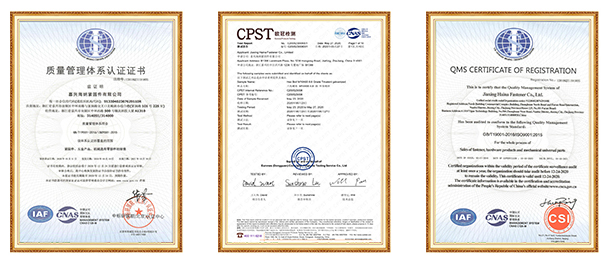
2. 3.1 Test report: quality test report that meets international standards.
3. Video factory inspection: support video factory inspection to demonstrate production process and quality management.
Advantages
- Sufficient inventory: quick response to order requirements.
- Quality assurance: strict quality control to ensure product reliability.
Haina is committed to providing efficient and high-quality fastener services.
FAQ
1.What is the difference between a hex bolt and an Allen bolt?
The main differences between hexagonal bolts and socket bolts are as follows: In appearance, the head of the hexagonal bolt is an outer hexagonal shape and needs to be tightened with a wrench; the head of the hexagonal bolt is an inner hexagonal hole and is tightened with a hexagonal wrench. Hexagonal bolts have a large torque when tightened, and the socket bolts take up less space and are more convenient to install.
2.How do you attach a hex bolt?
Hexagonal bolts are usually installed with a wrench. Insert the bolt into the corresponding hole, clamp the hexagonal part of the bolt head with a wrench, and turn the wrench clockwise to gradually tighten the bolt. During the tightening process, ensure that the force is moderate to avoid over-tightening or over-loosening. Depending on the application scenario, accessories such as gaskets may also be required.
3.What do you use for hex bolts?
Hexagonal bolts are usually made of high-strength carbon steel or stainless steel. Carbon steel hexagonal bolts have high strength and low cost. Stainless steel hexagonal bolts are corrosion-resistant and suitable for humid or corrosive environments. They are widely used in machinery manufacturing, construction and other fields to provide reliable fixation for various connections.