
- All
- Product Name
- Product Keyword
- Product Model
- Product Summary
- Product Description
- Multi Field Search
Author: Site Editor Publish Time: 2026-01-25 Origin: Site
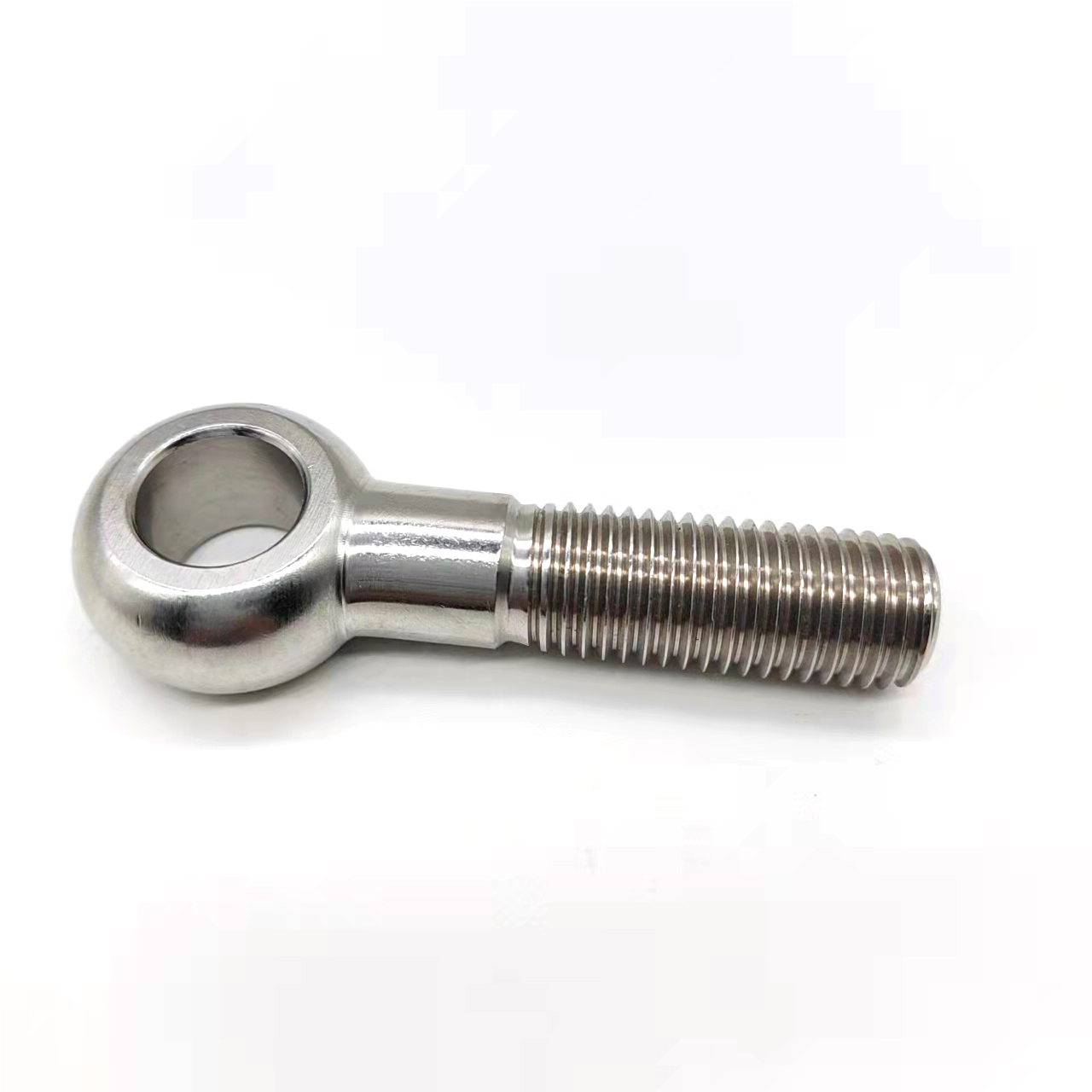
Ever wondered how heavy machinery is safely lifted on construction sites? The secret often lies in the humble eye bolt.
In this article, we dive into the key applications of eye bolts in construction and rigging. You’ll discover their types, uses, and the safety measures necessary to use them effectively.
Eye bolts are fasteners with a loop (or "eye") at one end, which allows them to be attached to cables, ropes, or other rigging materials. The threaded shaft at the opposite end of the eye bolt enables it to be securely installed into a structure or material, creating a safe anchor point for lifting or securing loads. Eye bolts come in different designs, and they are classified based on their shape, material, and purpose.
The key feature of an eye bolt is the loop, which is used to attach cables or ropes. This loop can be closed or have a shoulder, depending on the type of eye bolt. The threaded end can be used to secure the eye bolt to a structure, wall, or other surface, providing stability and strength. Depending on the application, these bolts can be made from various materials such as stainless steel, carbon steel, or alloy steel.
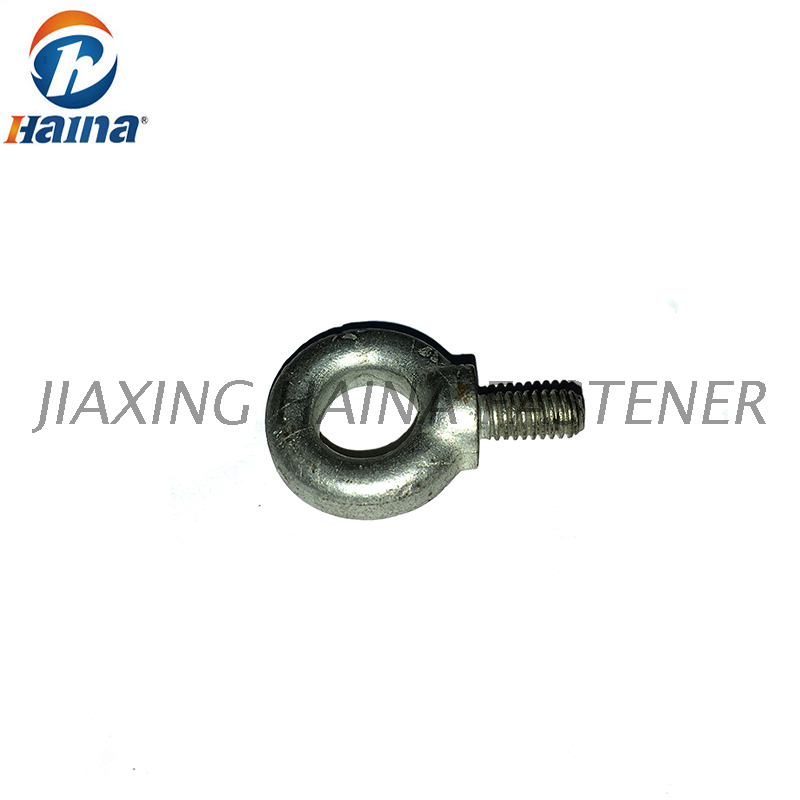
● Closed Eye Bolts: These are simple eye bolts with a permanently closed loop. They are typically used for lighter lifting applications where the load is not too heavy.
● Shoulder Eye Bolts: These are designed for heavy-duty applications. They have a shoulder that prevents the eye bolt from twisting and ensures that the force is distributed more evenly across the bolt.
● Lifting Eye Bolts: Specifically engineered to handle high-stress lifting operations, lifting eye bolts are often used in conjunction with cranes, hoists, or other heavy lifting equipment.
Eye bolts are indispensable because they provide a reliable and strong connection point for lifting, securing, and suspending materials and equipment. In construction, lifting heavy loads is a common task, and eye bolts offer an effective way to secure these loads while ensuring safety. By providing a strong anchor point, eye bolts ensure that the load is handled securely, reducing the risk of accidents or damage to materials. Without these fasteners, heavy lifting and rigging tasks would be far more dangerous and difficult to manage.
One of the most critical advantages of using eye bolts is their versatility. They can be used in a wide range of applications, from lifting to anchoring, and they come in various sizes and configurations to suit different tasks. By selecting the appropriate eye bolt for each task, you can ensure that your lifting and rigging operations are both safe and efficient.
Eye bolts are vital components in the construction and rigging industries, especially when it comes to lifting heavy materials. They serve as secure attachment points for cables, chains, or slings that are used to lift large loads. For example, steel beams, heavy equipment, and concrete slabs often need to be lifted during construction, and eye bolts provide the connection points needed to safely hoist these materials.
Eye bolts used in lifting applications must be strong enough to withstand the weight of the load being lifted. For high-stress lifting tasks, it's important to use lifting eye bolts made from durable materials like stainless steel. These eye bolts are designed to withstand the forces involved in lifting heavy objects without breaking or bending.
The Stainless Steel 316 304 Lifting Eye Bolt (Model: GB798) is a great example of a heavy-duty eye bolt designed for lifting large construction materials. These eye bolts are made from high-quality stainless steel, which offers excellent corrosion resistance, making them ideal for outdoor and marine environments. The robust design of these eye bolts ensures that they can handle substantial loads, making them a reliable choice for construction professionals.
In addition to lifting, eye bolts are also commonly used to suspend equipment, signs, and scaffolding. In construction, scaffolding is often suspended in the air to provide a safe working platform for workers, and eye bolts play a key role in keeping the scaffolding secure. These eye bolts are designed to bear the weight of both the scaffolding and the workers, ensuring that the structure remains stable and secure.
Suspension systems can also involve the use of eye bolts to hang equipment like lighting systems, signs, and other fixtures. Eye bolts offer a stable and reliable attachment point for these systems, helping to ensure that heavy equipment remains in place without the risk of falling.
The China Factory Stainless Steel Eye Bolts (Model: GB798) are widely used in suspension systems for scaffolding and equipment. These eye bolts come with a hot dip galvanized finish, providing enhanced resistance to corrosion, which is crucial for outdoor applications where exposure to the elements is inevitable. The strong design and corrosion-resistant finish ensure that these eye bolts can handle the heavy loads typically associated with scaffolding and other suspended equipment.
Rigging systems require secure anchor points to attach cables, ropes, or chains used to lift and move heavy materials. Eye bolts serve as these anchor points, providing a strong and stable base for the rigging equipment. Whether it's for lifting machinery, securing materials for transport, or setting up temporary rigging systems, eye bolts are an essential component in ensuring that the rigging is done safely and securely.
The DIN444 Grade 8.8 Black Zinc Eye Bolt (Model: M8) is often used as an anchor point in rigging systems. These eye bolts are made from high-strength steel and coated with black zinc for added durability and corrosion resistance. They are ideal for applications where the load is heavy and requires secure attachment to ensure safety during lifting and transport.
Shoulder eye bolts are designed for heavy-duty applications where the load is substantial or dynamic. The shoulder on these bolts prevents the bolt from twisting, ensuring that the load is evenly distributed across the bolt. This feature makes shoulder eye bolts ideal for lifting and rigging tasks where large, heavy equipment needs to be moved.
The Carbon Steel 4.8 Grade Zinc Plated DIN580 Forged Shoulder Eye Bolt is a great choice for high-load applications. These bolts are designed to bear significant loads, making them perfect for lifting and transporting heavy machinery or steel structures. The forged shoulder design ensures that the bolt remains securely in place even under high stress.
Lifting eye bolts are specifically designed to handle the intense forces encountered during lifting operations. These eye bolts are often used in conjunction with cranes, hoists, and other lifting equipment. They are designed to provide a secure attachment point for lifting slings and cables, allowing for the safe lifting of heavy objects.
The Stainless Steel 316 DIN 444 Eye Bolt M10X55 is commonly used in lifting applications for industrial equipment and machinery. Its high tensile strength and corrosion-resistant properties make it ideal for use in construction, shipbuilding, and aerospace industries, where reliable lifting solutions are required.
Closed eye bolts are used in light-duty lifting tasks. The loop on these eye bolts is permanently closed, providing a simple yet secure attachment point. These bolts are ideal for lighter loads or applications where the stress on the bolt is minimal.
The DIN444 Grade 8.8 Black Zinc Eye Bolt (Model: M8) is often used in applications where lighter loads need to be lifted or secured. These eye bolts are ideal for use in architectural decoration or jewelry hanging, where the load does not place significant stress on the bolt.
Choosing the right eye bolt for a particular task is crucial for ensuring safety and efficiency. The size and material of the eye bolt must be suitable for the load and environmental conditions. For instance, eye bolts made from stainless steel are ideal for environments prone to moisture or corrosion, while carbon steel eye bolts are more suitable for dry conditions where strength is the primary concern.
Always choose eye bolts with a load capacity that exceeds the anticipated load. It's also important to consider environmental factors such as exposure to chemicals, water, or extreme temperatures when selecting the material.
Correct installation of eye bolts is essential for safety. A poorly installed eye bolt can lead to accidents or equipment failure. Here’s a step-by-step guide for installing eye bolts securely:
1. Select the appropriate eye bolt based on the load and material.
2. Thread the eye bolt into the structure or object, ensuring it is tightly secured.
3. Avoid angular lifting—ensure that the load is lifted in a vertical direction to prevent stress on the bolt.
4. Inspect regularly for any signs of wear or damage.
Common mistakes to avoid: Installing eye bolts at angles greater than 45 degrees can weaken the bolt, leading to potential failure during lifting.
While eye bolts are versatile, other fasteners like D-rings, shackles, and turnbuckles may be more suitable in certain situations. Here’s how they compare:
Fastener Type | Best Use | Advantages |
Eye Bolts | Lifting and securing loads | Secure attachment point for cables and ropes |
D-Rings | Securing ropes and cables | Adjustable and easy to use for various rigging tasks |
Shackles | Connecting multiple rigging components | Flexible and versatile for heavy-duty applications |
Turnbuckles | Adjusting tension in rigging systems | Ideal for fine-tuning tension in cables |
While eye bolts are ideal for most lifting and securing tasks, they may not always be the best choice in more complex rigging systems. In cases where you need to adjust the tension or connect multiple components, turnbuckles or shackles may be more suitable.
Routine inspections of eye bolts are essential to ensure they remain in good working condition. Regular checks help identify potential issues before they cause accidents. Key aspects to inspect include:
● Cracks: Look for visible cracks that could compromise the bolt’s strength.
● Corrosion: Inspect for rust or corrosion, especially in outdoor or marine environments.
● Deformation: Ensure the bolt has not bent or twisted under stress.
Eye bolts exposed to harsh conditions should be inspected more frequently for signs of wear or corrosion.
The lifespan of eye bolts depends on factors like load, environment, and maintenance practices. Eye bolts should be replaced if they show signs of significant wear or damage. For high-stress applications, it's advisable to replace eye bolts at regular intervals to ensure safety.
Consider opting for high-strength materials like stainless steel for eye bolts exposed to harsh conditions, as they offer better resistance to corrosion and wear.
Eye bolts are an essential component in the construction and rigging industries, providing secure attachment points for lifting, securing, and suspending loads. Whether you're moving heavy machinery or setting up scaffolding, eye bolts ensure that these tasks are carried out safely and efficiently. By selecting the right type of eye bolt, following proper installation techniques, and conducting regular inspections, you can maximize the safety and performance of your rigging systems. Always prioritize safety and ensure that your eye bolts meet the required standards for your specific applications. At Jiaxing Haina Fastener Co., Ltd., we provide high-quality eye bolts designed to meet the rigorous demands of the construction and rigging industries.
A: An eye bolt is primarily used as a secure attachment point for lifting, securing, or suspending heavy loads in construction and rigging projects.
A: To install an eye bolt, select the appropriate size, thread it into the material or structure, and ensure it’s tightly secured. Always check for proper alignment to prevent stress.
A: Eye bolts provide strong and stable anchor points in rigging, ensuring that materials and equipment are safely secured during lifting or transportation.
A: Common types include lifting eye bolts, shoulder eye bolts, and closed eye bolts, each suited for different load capacities and application types in construction.
A: Eye bolts are ideal for vertical lifting but may not be suitable for angled lifts unless specifically designed for such purposes, like lifting eye bolts with shoulders.