
- All
- Product Name
- Product Keyword
- Product Model
- Product Summary
- Product Description
- Multi Field Search
Author: Site Editor Publish Time: 2026-01-23 Origin: Site
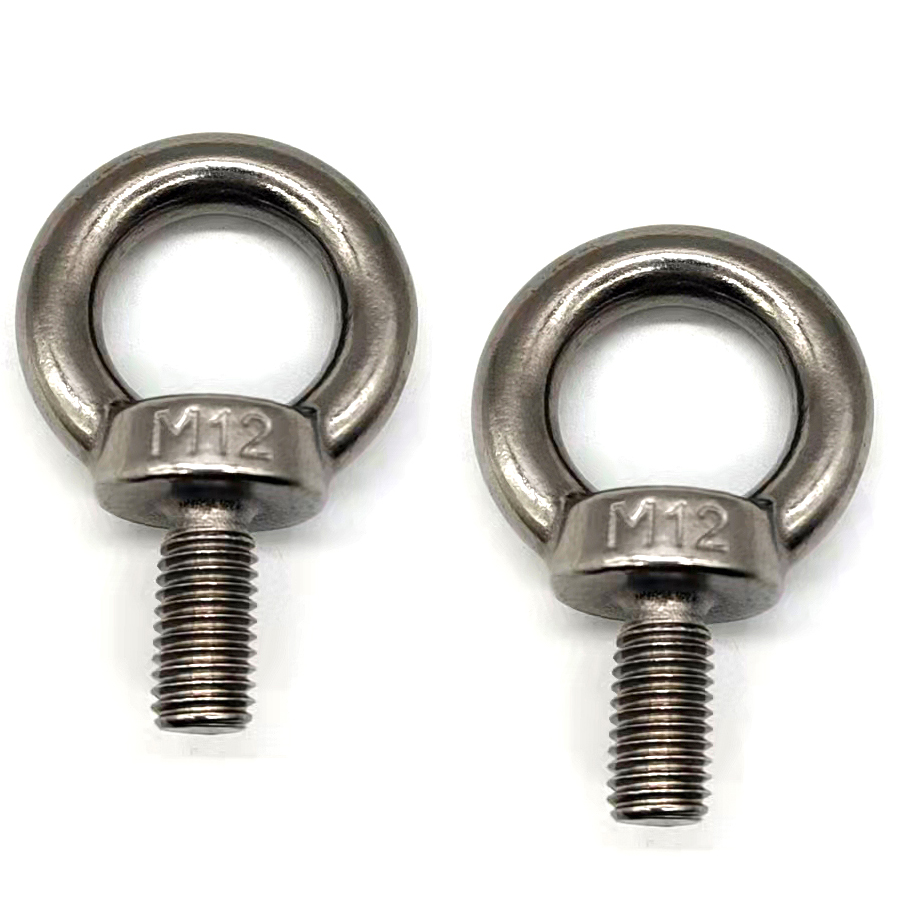
Ever wondered how the right eye bolt can prevent costly accidents in heavy-duty lifting? The wrong choice could lead to disaster.
In this article, we’ll guide you through choosing the perfect eye bolt for your lifting needs. We’ll cover types, materials, load capacity, and more to help you make the safest decision.
An eye bolt is a type of bolt that features a loop (or “eye”) at one end. The loop is used to connect lifting slings, ropes, or hooks, which are then attached to the load being lifted. Eye bolts are designed to withstand the stresses of lifting heavy loads and are used across various industries like construction, manufacturing, marine, and more.
These bolts are made from durable materials like steel, stainless steel, or alloys, which enable them to handle the substantial forces involved in lifting. Depending on the lifting operation’s needs, eye bolts come in different designs and material grades to cater to specific weight limits and environmental conditions.

Eye bolts serve several functions in industrial lifting operations. Here are the most common uses:
● Rigging: Eye bolts act as secure attachment points for lifting equipment, such as cranes and hoists, connecting lifting slings or hooks to the load.
● Anchoring: In marine and construction industries, eye bolts are used to anchor cables, ropes, and chains securely.
● Pulling and Pushing: Eye bolts assist with moving heavy machinery or large equipment in manufacturing and automotive industries.
● Hoisting: In factories or warehouses, eye bolts serve as attachment points for hoisting heavy materials or finished products.
Standard eye bolts are designed for general vertical lifting operations. These bolts are suitable for straight lifts and are commonly used in a variety of industries for tasks that don’t involve angled loads.
Shoulder eye bolts are designed for heavy-duty lifting, especially when the load is applied at an angle. The shoulder provides additional strength, preventing the bolt from being subjected to excessive stress when lifting at angles.
Forged eye bolts are created using high heat to shape the metal, which results in a stronger, more durable product. Welded eye bolts are made by welding the loop onto the shaft. Both types are ideal for high-load applications and heavy-duty lifting.
Adjustable eye bolts offer flexibility, allowing for easy adjustment of the attachment point. These bolts are often used in custom rigging setups, where adaptability is required to accommodate different lifting configurations.
The load capacity is perhaps the most important factor when choosing an eye bolt. It refers to the maximum weight the eye bolt can safely support. It is crucial to match the eye bolt's load capacity to the weight of the load you intend to lift.
● High-Strength Eye Bolts: Eye bolts made from Grade 8.8 steel or stainless steel (SS304, SS316) are essential for heavy-duty applications. These materials provide high tensile strength, making them suitable for lifting large, heavy loads.
Material Type | Strength (Tensile) | Corrosion Resistance | Common Applications |
Grade 8.8 Steel | High | Moderate | Heavy lifting, machinery |
Stainless Steel SS304 | Moderate | High | Marine, chemical industries |
Stainless Steel SS316 | High | Very High | Offshore, marine environments |
The material of the eye bolt directly impacts its performance. Here’s a comparison between the most common materials used:
● Stainless Steel (SS304, SS316): Stainless steel is the ideal choice for environments that are exposed to moisture, chemicals, or extreme temperatures. SS316 is especially resistant to corrosion, making it perfect for marine or offshore environments. SS304 provides good corrosion resistance for less aggressive conditions.
● Carbon Steel: Carbon steel is a more cost-effective option but is prone to rust and corrosion, especially when exposed to moisture or chemicals. It is suitable for dry indoor environments but should be avoided in corrosive settings.
Material Type | Durability | Cost | Best Use |
Stainless Steel SS304 | High | High | Marine, outdoor, chemical industries |
Stainless Steel SS316 | Very High | Very High | Offshore, marine environments |
Carbon Steel | Moderate | Low | Indoor, dry environments |
The surface treatment of an eye bolt determines its resistance to corrosion and wear. Common surface treatments include:
● Hot Dip Galvanizing (HDG): This treatment involves coating the bolt with a layer of zinc, which protects it from rust and corrosion, especially in outdoor or marine environments.
● Nickel-Plating: Provides additional corrosion protection, particularly in industrial and food processing applications.
● Black Oxide: This treatment provides good corrosion resistance while reducing friction, making it ideal for high-stress lifting applications.
Surface Treatment | Corrosion Resistance | Durability | Ideal Use |
Hot Dip Galvanizing | Excellent | Long-lasting | Outdoor, marine environments |
Nickel-Plating | High | Moderate | Industrial, food processing |
Black Oxide | Good | Moderate | High-stress lifting operations |
The thread size and type of an eye bolt must match the lifting equipment and mounting surface to ensure a secure connection.
● Metric Threads: These are commonly used in international applications, particularly in Europe, Asia, and industrial settings.
● Imperial Threads: Mainly used in North America, especially in the U.S. and Canada.
Make sure the thread size matches the equipment specifications to avoid mismatches, which could lead to unsafe lifting conditions.
Correct installation of eye bolts is essential for ensuring their reliability. Some best practices for installing eye bolts include:
● Threading Fully: Ensure that the eye bolt is fully threaded into the mounting surface to maximize thread engagement.
● Avoid Over-tightening: Over-tightening can cause the bolt to weaken, leading to potential failure.
● Use Shoulder Eye Bolts for Angular Loads: Shoulder eye bolts help distribute the load evenly, making them ideal for lifting at angles.
Routine inspections are crucial to ensure that eye bolts are functioning correctly and haven’t been subjected to wear or damage. Inspect the following:
● Thread Damage: Check for stripped or damaged threads that may cause the bolt to fail.
● Corrosion: Look for signs of rust or corrosion, particularly in environments where moisture or chemicals are present.
● Loosening: Ensure the bolt is secure and does not move under load.
Preventative Maintenance: Regularly lubricate the threads to prevent rust and extend the life of your eye bolts. Replace any bolts that show signs of significant wear or damage.
Stainless steel eye bolts are the go-to choice for harsh environments such as marine, offshore, and chemical industries. SS316 offers superior resistance to corrosion, making it perfect for these extreme conditions. SS304 is also highly resistant to corrosion and is a popular choice in non-extreme environments.
For lifting heavy machinery or extreme loads, Grade 8.8 or higher eye bolts are necessary. These high-strength eye bolts are forged to withstand the heavy stresses involved in lifting and provide additional safety for lifting operations.
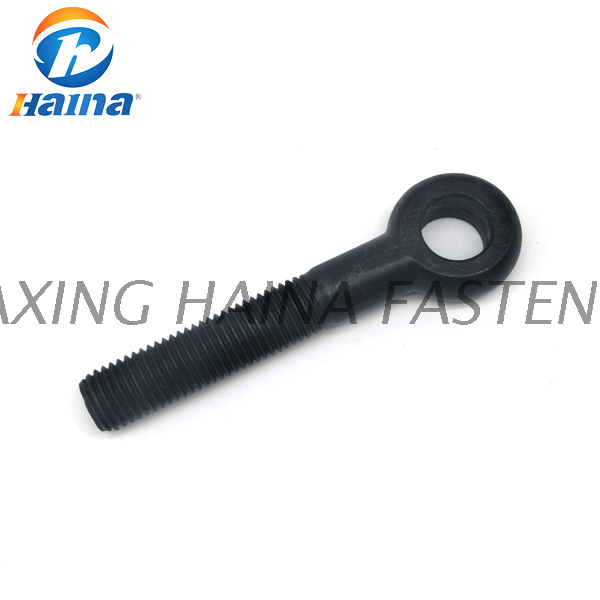
Adjustable eye bolts allow for greater flexibility in rigging, making them ideal for lifting setups that require adaptable mounting points. Shoulder eye bolts are essential when lifting at angles, as they provide the necessary strength to distribute the load evenly.
Underestimating the required load capacity is one of the most common mistakes in lifting operations. Always ensure the eye bolt can support the full weight of the load, including any dynamic forces that may occur during lifting.
Using the wrong material, such as carbon steel instead of stainless steel in corrosive environments, can lead to premature failure. Always select the material based on the conditions in which the eye bolt will be used.
Choosing an eye bolt with the wrong thread size or type can result in unsafe lifting conditions. Always match the eye bolt to the thread type of your rigging equipment.
Choosing the right eye bolt is essential for ensuring safe, efficient, and reliable lifting operations. By considering factors like load capacity, material, surface treatment, thread size, and safety practices, you can select the best eye bolt for your specific needs. Regular maintenance and inspections will further enhance the longevity and safety of your eye bolts. Never compromise on the quality of your eye bolts. The safety and success of your lifting operations depend on choosing the right eye bolt for the job. Jiaxing Haina Fastener Co. ensures that you get the highest quality eye bolts and fasteners for all your industrial lifting needs.
A: An eye bolt is a bolt with a loop at one end, used to attach lifting equipment such as hooks or slings. In heavy-duty industrial lifting, it serves as a secure connection point for lifting and securing heavy loads.
A: To choose the right eye bolt, consider factors like load capacity, material (such as stainless steel for corrosion resistance), thread size, and whether the bolt needs to handle angular loads. Always match the bolt to the lifting conditions and equipment.
A: Material selection, such as stainless steel or carbon steel, ensures the eye bolt can handle the environment's stresses. Stainless steel is ideal for corrosive environments, while carbon steel offers a cost-effective solution for less demanding applications.
A: Standard eye bolts are suitable for light to moderate lifting. For heavy-duty lifting, consider using forged or shoulder eye bolts, which are designed to handle high loads and angular lifting safely.
A: Regularly inspect eye bolts for signs of wear, corrosion, or damage. Ensure proper installation and use bolts that meet the required load capacity. Also, choose bolts with appropriate materials and surface treatments to withstand harsh conditions.