
- All
- Product Name
- Product Keyword
- Product Model
- Product Summary
- Product Description
- Multi Field Search
Author: Site Editor Publish Time: 2026-01-24 Origin: Site
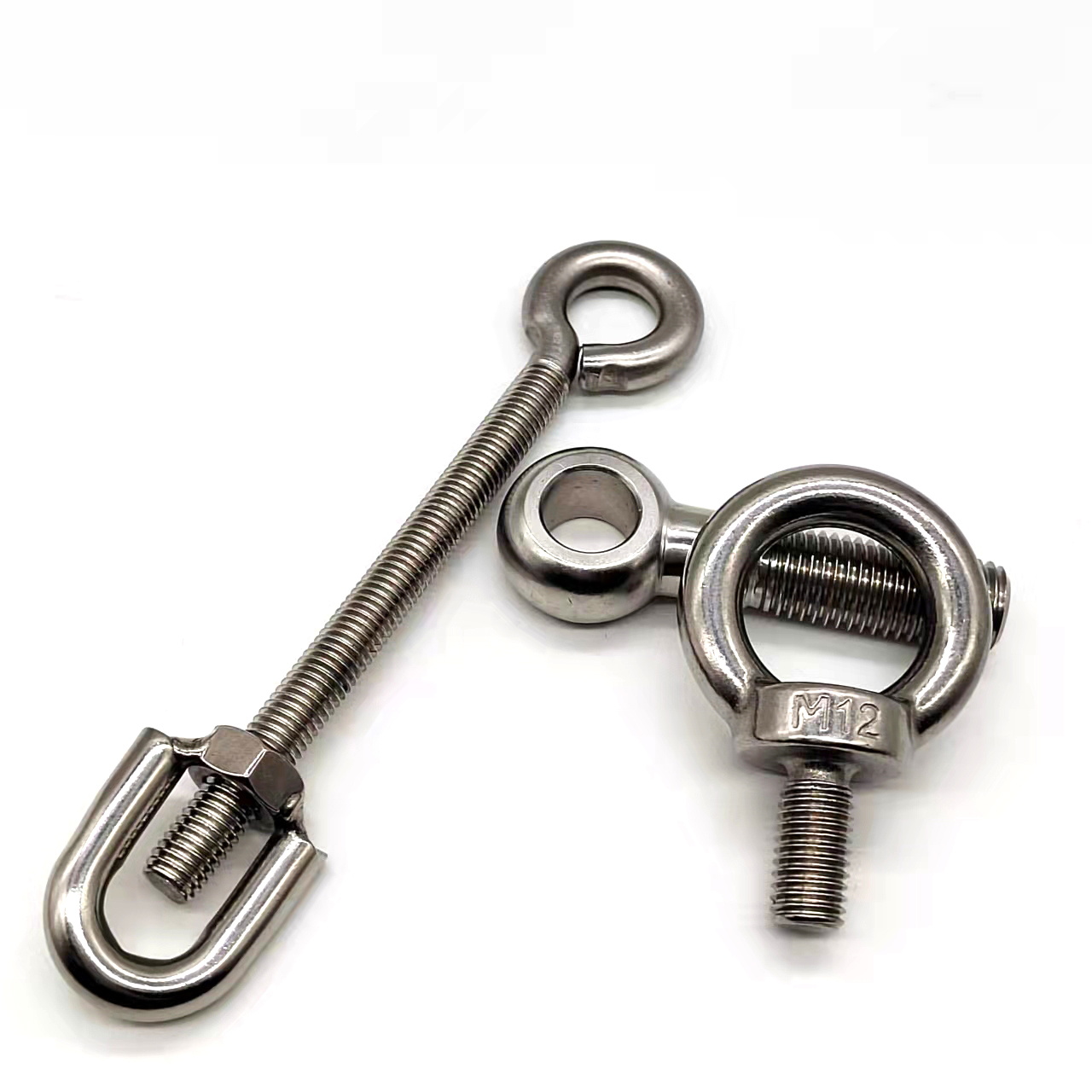
Choosing the correct eye bolt can make or break your project’s success. Whether you’re securing equipment or lifting heavy loads, the right eye bolt ensures safety and reliability.
In this article, we’ll compare shoulder and non-shoulder eye bolts, helping you make the best decision for your specific needs.
An eye bolt is a type of fastener with a loop (or "eye") at one end, which is typically used to attach cables, chains, ropes, or other types of rigging to secure or lift heavy loads. The design of the eye bolt allows for easy attachment, making it ideal for use in various lifting and anchoring applications across industries. These fasteners come in a range of sizes, materials, and finishes, depending on the type of load and environmental conditions. Eye bolts are commonly used in construction, marine, industrial, and rigging projects.
Eye bolts can be made from various materials, with stainless steel being one of the most popular due to its corrosion-resistant properties, especially in marine and high-humidity environments. The loop of the eye bolt is typically used to attach ropes or cables that will bear the load, allowing for a secure connection that can handle lifting or anchoring duties. The versatility of eye bolts makes them an essential component in the toolkits of engineers, riggers, and project managers.
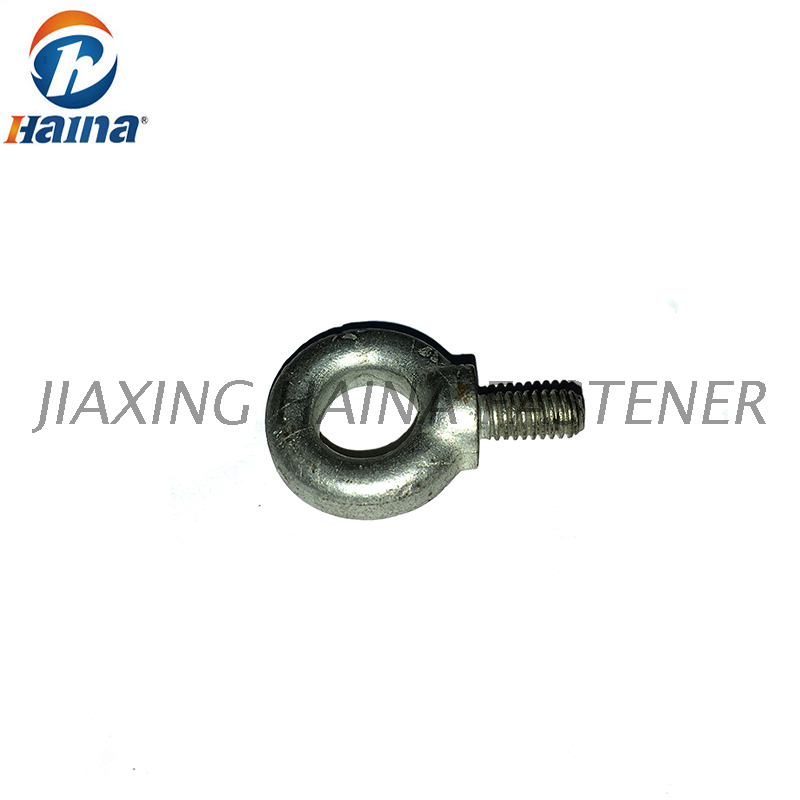
While eye bolts may seem simple in design, there are two major types to consider: shoulder eye bolts and non-shoulder eye bolts. The primary difference lies in the presence or absence of a shoulder beneath the eye, which impacts their strength, application, and overall performance. Here is an overview of both types:
● Shoulder Eye Bolts: These eye bolts feature an additional shoulder—a cylindrical section beneath the eye—that helps to distribute the load more evenly and prevents the bolt from twisting or rotating when under stress.
● Non-Shoulder Eye Bolts: These eye bolts lack the shoulder and have a simpler design. While they may not offer the same level of load distribution or resistance to twisting, they are still suitable for lighter, static applications.
Choosing the right type of eye bolt depends on several factors, including the weight of the load, the type of force applied, and the environment in which the eye bolt will be used.
When selecting the right eye bolt for your project, it is essential to match the product with the load requirements, environmental conditions, and type of application. Here are some high-quality eye bolts that you can consider for different needs:
● Stainless Steel 316 304 Lifting Eye Bolt: These eye bolts are perfect for lifting and securing heavy loads. Available in various finishes and materials, such as SS304 and SS316, these bolts are durable, resistant to corrosion, and ideal for use in harsh environments like marine, construction, and industrial applications.
● China Factory Stainless Steel Eye Bolts: These eye bolts are designed for a variety of applications, including securing equipment and light lifting tasks. Made from SS304 and SS316, they offer a balance of strength and durability for less demanding projects.
● DIN444 Grade 8.8 Black Zinc Eye Bolt: These black zinc-coated eye bolts are ideal for light-duty applications such as jewelry hanging, architectural decoration, or other projects where the load is lighter and doesn’t involve high stress or movement.
● Carbon Steel 4.8Grade Zinc Plated DIN580 Forged Shoulder Eye Bolt: Made from carbon steel and zinc-plated for added corrosion resistance, these forged shoulder eye bolts are perfect for heavy-duty lifting and industrial applications, offering superior strength and reliability.
● Stainless Steel 316 DIN 444 Eye Bolt M10X55: Designed for use with angular loads, these eye bolts are suitable for machinery and industrial applications where the load is applied at an angle, providing strength and stability in critical operations.
These eye bolts come in various finishes, including polishing, zinc (yellow, white, blue-white, black), hot dip galvanizing (HDG), phosphating, and black oxide, offering you a wide range of options to match your project’s requirements.
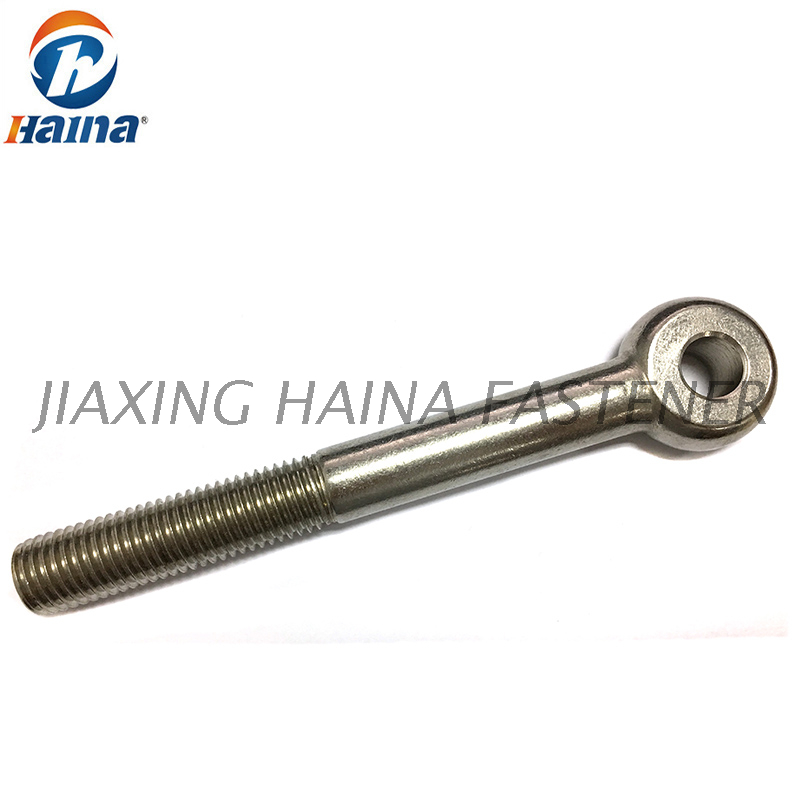
A shoulder eye bolt is designed with an additional shoulder that separates the eye from the body of the bolt. This shoulder provides extra support, preventing the bolt from twisting, rotating, or bending under heavy loads. Shoulder eye bolts are typically used in applications that require a higher degree of stability and resistance to twisting, such as when lifting or securing heavy machinery or equipment. The shoulder design also helps distribute the weight more evenly, reducing the likelihood of the bolt failing or becoming loose over time.
Shoulder eye bolts are commonly made from materials such as stainless steel (SS304, SS316) and carbon steel, and they can be finished with various coatings like zinc, phosphating, black oxide, or hot dip galvanizing to prevent corrosion and enhance their durability.
The key advantages of shoulder eye bolts include:
● Superior Load Distribution: The shoulder acts as a support, evenly distributing the load and preventing stress concentration, which helps avoid failure due to excessive force.
● Resistance to Twisting: Unlike non-shoulder eye bolts, shoulder eye bolts are resistant to twisting or rotating under load. This feature is especially important in lifting operations where the direction of the force can change during the process.
● Increased Stability: With the shoulder providing additional stability, shoulder eye bolts are more reliable for applications where load shifting or dynamic forces may be present.
● Durability: These eye bolts can handle more frequent use and heavier loads, making them ideal for tough, industrial, or construction environments.
Shoulder eye bolts are ideal for heavy-duty lifting, hoisting, and securing tasks. Some examples include:
● Construction projects: For lifting heavy materials like steel beams, concrete, or construction machinery.
● Marine applications: Used to hoist large equipment onto ships or offshore platforms, where stability and load distribution are critical.
● Industrial environments: Where equipment and machinery need to be secured or lifted frequently, such as in factories or warehouses.
● Automotive and aerospace: For heavy lifting of vehicles, engines, or machinery in manufacturing facilities.
A non-shoulder eye bolt has a simpler design, without the shoulder that separates the eye from the bolt body. These eye bolts are typically used for lighter applications where there is no risk of twisting or excessive stress. The lack of a shoulder makes non-shoulder eye bolts easier and more cost-effective to manufacture, which is why they are often chosen for less demanding tasks.
The main benefits of non-shoulder eye bolts include:
● Cost-Effective: Non-shoulder eye bolts are generally less expensive to produce due to their simpler design, making them a budget-friendly option for light-duty applications.
● Ease of Use: These eye bolts are simple to install and are ideal for quick, straightforward rigging tasks.
● Lightweight: Non-shoulder eye bolts are suitable for applications where the load is lighter and the forces involved are relatively static.
Non-shoulder eye bolts are best used for lighter-duty, static applications. Examples include:
● Securing equipment: Ideal for anchoring tools, equipment, or lightweight machinery that doesn’t experience significant stress or movement.
● Hanging objects: Used for mounting or hanging decorations, light fixtures, or other lightweight items in homes or industrial settings.
● Light lifting: Suitable for lifting non-critical items in applications where the load remains static and there is no risk of twisting or shifting.
One of the most significant factors when choosing between shoulder and non-shoulder eye bolts is their load capacity. Shoulder eye bolts have a much higher load capacity due to the shoulder's support and its ability to distribute the weight more evenly. Non-shoulder eye bolts, while still strong, are more suited for lighter, static loads.
Feature | Shoulder Eye Bolt | Non-Shoulder Eye Bolt |
Load Capacity | High, for heavy lifting | Medium, for lighter loads |
Twisting Resistance | Yes, prevents twisting | No, can twist under load |
Ideal Use | Heavy-duty applications | Light-duty, static applications |
Shoulder eye bolts tend to have greater resistance to wear and tear, especially in dynamic environments where continuous movement or twisting occurs. On the other hand, non-shoulder eye bolts are better suited for static applications and may experience wear more quickly if subjected to repetitive stress or high loads.
Non-shoulder eye bolts are more cost-effective, primarily due to their simpler design. However, investing in shoulder eye bolts may be more economical in the long term, especially if your project involves heavy lifting or dynamic loads, as they are less likely to fail and may require fewer replacements.
Several factors will influence your choice between shoulder and non-shoulder eye bolts:
● Load Type: If you are lifting heavy objects or working with dynamic forces, shoulder eye bolts are the better choice. Non-shoulder eye bolts should be reserved for static, lighter loads.
● Environmental Conditions: Projects in harsh conditions (e.g., marine, high humidity, or chemical exposure) may require stainless steel eye bolts with corrosion-resistant coatings. Shoulder eye bolts tend to be better suited for such environments due to their durability.
● Project Requirements: For critical or high-risk operations, shoulder eye bolts offer better performance, while non-shoulder eye bolts are sufficient for non-critical, everyday tasks.
● Correct Placement: Eye bolts should be installed in a way that allows the load to be distributed evenly. Ensure there is sufficient clearance for the loop to move freely, preventing it from binding or causing strain.
● Torque Settings: Always adhere to the manufacturer’s torque specifications. Over-tightening can cause damage to the eye bolt, while under-tightening may lead to instability.
● Proper Hardware: When using eye bolts, pair them with the right nuts, washers, and other accessories to ensure a secure attachment.
● Incorrect Bolt Selection: Avoid using non-shoulder eye bolts for heavy-duty or dynamic applications, as they are not designed to handle such stress.
● Improper Installation: Installing eye bolts at an incorrect angle or without ensuring a proper load-bearing setup can lead to failure.
● Failure to Inspect: Regular inspection of eye bolts, especially those exposed to dynamic forces, is essential to ensure they are in optimal condition and ready for use.
In conclusion, the decision between shoulder eye bolts and non-shoulder eye bolts depends primarily on your specific project requirements. Shoulder eye bolts are ideal for heavy-duty lifting and dynamic applications, offering superior load distribution and resistance to twisting. Non-shoulder eye bolts, on the other hand, are ideal for lighter, static applications and are more cost-effective.
Consider the load type, environmental factors, and budget when selecting the appropriate eye bolt for your project. By choosing the right eye bolt, you can enhance safety, improve performance, and extend the longevity of your rigging equipment. Jiaxing Haina Fastener Co. provides a wide range of high-quality eye bolts, including both shoulder and non-shoulder variants, to meet the needs of your project. With a focus on durability and performance, Jiaxing Haina Fastener Co. ensures that you can always find the right fasteners for your lifting, securing, and rigging operations.
A: The main difference lies in the shoulder. Shoulder eye bolts have a cylindrical shoulder beneath the eye, providing load distribution and resistance to twisting. Non-shoulder eye bolts are simpler and suited for lighter, static applications.
A: Use a shoulder eye bolt for heavy-duty lifting, dynamic forces, or applications requiring load stability. Non-shoulder eye bolts are ideal for lighter loads where twisting or rotation isn't a concern.
A: Non-shoulder eye bolts are not recommended for lifting heavy loads, as they lack the support and stability provided by the shoulder. Shoulder eye bolts are more suitable for such applications.
A: Shoulder eye bolts offer superior load distribution, resistance to twisting, and enhanced stability, making them ideal for heavy lifting and dynamic load-bearing applications.
A: Yes, shoulder eye bolts are generally more expensive due to their additional design features and superior performance in high-stress applications, but they are a worthwhile investment for heavy-duty uses.