
- All
- Product Name
- Product Keyword
- Product Model
- Product Summary
- Product Description
- Multi Field Search
Author: Site Editor Publish Time: 2025-06-09 Origin: Site

Blinds do more than just dress up your windows. They help you save energy, keep your room comfortable, and add a stylish touch to your space. For instance, highly reflective blinds can cut heat gain by up to 45% when closed, while roller blinds can improve energy savings by as much as 45.2%. Properly installing blinds and window treatments ensures they work well and last longer. But rushing or skipping steps, like measuring accurately, can lead to frustration. Taking your time makes all the difference.
Before starting, gather tools to make installation easy. You’ll need a screwdriver and drill to attach brackets. Use a level to ensure blinds hang straight. A measuring tape helps get exact sizes. Steel measuring tapes are best for precise measurements. If windows are high, use a step ladder for safety.
Here’s a simple checklist:
Screwdriver
Drill
Level
Measuring tape (steel is best)
Step ladder
Having tools ready saves time and keeps things organized.
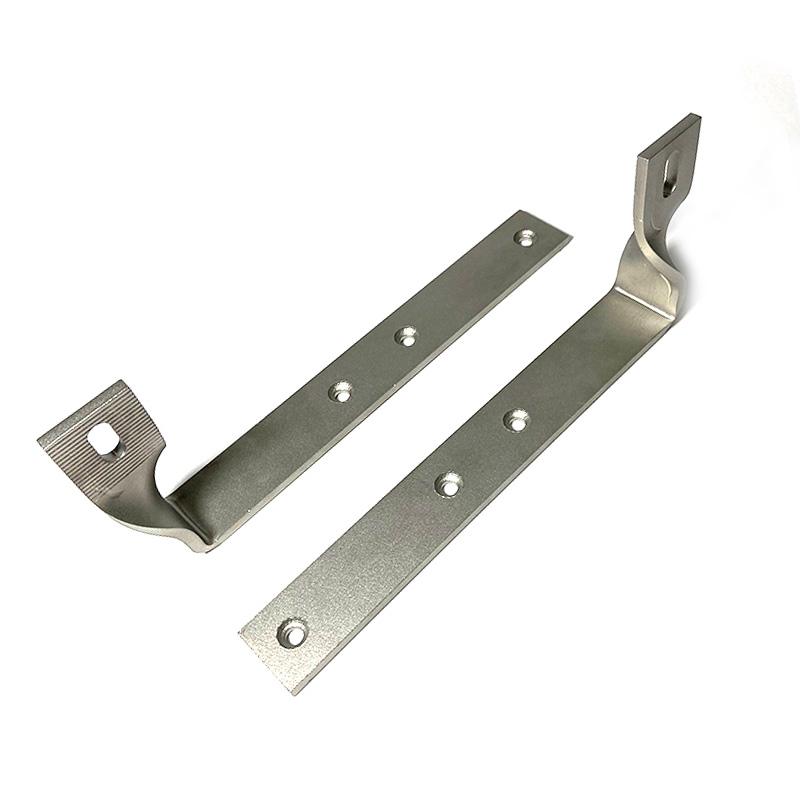
Metal brackets hold your blinds in place. Different types fit different needs. Standard brackets work for most blinds. Center support brackets hold the middle of long blinds. Extension brackets help if blinds need to be away from walls. Side-mount brackets are good when top mounting isn’t possible.
Think about the weight of your blinds. Heavy blinds need strong brackets to avoid damage. Always check the manufacturer’s guide to match brackets with your blinds.
Surfaces matter when installing metal brackets. For damp areas, use stainless steel to prevent rust. Outdoor installations need durable stainless steel brackets.
Also, consider how much weight the brackets will hold. Heavy blinds need brackets that can handle more weight. If style matters, pick brackets that match your room’s look.
Tip: Check the environment before installing blinds. This helps brackets last longer and work better.
Measuring windows correctly is the first important step. If your measurements are wrong, the blinds won’t fit. This can waste time and cause frustration. Use a steel measuring tape for accuracy. Measure the width and height of your window in three spots—top, middle, and bottom. Always use the smallest measurement to ensure a good fit.
Here’s why being precise matters:
A 6-story building project used laser scanning to avoid mistakes. The client got perfectly sized windows, saving money and time.
You don’t need lasers, but careful measuring with a tape can prevent problems.
Tip: Write down your numbers right away so you don’t forget. Double-check them before moving forward.
Choosing between an inside or outside mount depends on your window and style. Inside mounts fit neatly inside the window frame for a built-in look. They work best for windows with deep frames. Outside mounts go on the wall or molding around the window. They’re great for shallow windows and make a room feel taller.
Here’s a simple comparison to help you choose:
Mount Type | Benefits |
|---|---|
Inside Mount | Neat, built-in style; works for windows with deep frames. |
Outside Mount | Good for shallow windows; makes a room look taller and bigger. |
Tip: Hold the blinds in both positions to see which looks better.
Before starting, clean the window area to prepare it. Dust and dirt can make brackets and screws less secure. Wipe the frame, sill, and nearby areas with a damp cloth. Let everything dry completely before installing.
For bathrooms or kitchens, check for moisture or grease. These can weaken how brackets stick. For outdoor setups, remove rust or peeling paint first.
Tip: A clean surface makes installation easier and helps blinds last longer.
Inside mount blinds fit snugly within the window frame, giving your space a clean and polished look. To get started, follow these steps:
Measure the Width: Place your measuring tape at the top left corner of the window frame and stretch it across to the right edge. Repeat this process in the middle and bottom sections of the frame. Use the smallest measurement to ensure a proper fit.
Measure the Height: Start at the top left corner and measure down to the bottom of the frame. Repeat this on the middle and right sides. Use the longest measurement for the height.
Measure the Depth: Extend your tape measure from the front to the back of the window frame. Make sure to account for any obstructions like handles or locks.
Mark the Bracket Positions: Hold the metal brackets against the top inside corners of the frame. Use a pencil to mark where the screws will go.
Drill Pilot Holes: Drill small pilot holes at the marked spots. This prevents the wood from splitting and makes it easier to screw in the brackets.
Attach the Brackets: Secure the brackets to the frame using screws. Make sure they’re level and aligned.
Once the brackets are in place, you’re ready to attach the blinds. Inside mounts work best for windows with deep frames, so double-check your measurements before ordering.
Tip: Always use a steel measuring tape for accuracy. It’s more reliable than cloth or plastic tapes.
Outside mount blinds are perfect for windows with shallow frames or when you want to make a room feel taller. Here’s how you can install them:
Measure the Width: Measure the width of the area you want the blinds to cover. Add a few extra inches on each side for better light control and privacy.
Measure the Height: Measure from the top of the mounting area (usually above the window frame) to where you want the blinds to end.
Mark the Bracket Positions: Hold the brackets against the wall or molding above the window. Use a pencil to mark the screw holes. Make sure the brackets are level.
Drill Pilot Holes: Drill small holes at the marked spots. This step is especially important for drywall or plaster surfaces.
Attach the Brackets: Use screws to secure the brackets to the wall or molding. For heavier blinds, consider using wall anchors for extra support.
Outside mounts are versatile and can make your windows appear larger. They’re also a great choice for covering imperfections around the frame.
Note: If you’re installing blinds in a damp area like a bathroom, opt for stainless steel brackets to prevent rust.
Once the brackets are installed, it’s time to attach the blinds. Properly securing them ensures they stay stable and functional for years. Here’s what you need to do:
Position the Headrail: Align the headrail of the blinds with the brackets. Slide it into place until you hear a click or feel it lock securely.
Check the Alignment: Make sure the blinds are level and centered. Adjust them if necessary before fully securing them.
Secure the Headrail: Depending on the bracket design, you may need to tighten screws or snap a cover into place to hold the headrail firmly.
Test the Blinds: Pull the cord or use the wand to open and close the blinds. Ensure they move smoothly and stay in place when adjusted.
Proper placement of the mounting hardware is crucial for stability. For inside mounts, position the brackets as far back as possible within the window recess. For outside mounts, double-check your measurements and markings to ensure the blinds hang evenly.
Tip: If you’re unsure about the installation process, consider hiring a professional. They can ensure the blinds are mounted securely and aligned perfectly.
By following these steps, you’ll have your blinds installed in no time. Whether you’re working with inside or outside mounts, taking your time and being precise will make all the difference.
Once your blinds are installed, it’s time to test and adjust them to make sure they work perfectly. This step ensures your blinds are functional, aligned, and ready to enhance your space. Here’s how you can do it:
Check the Movement
Pull the cord or twist the wand to open and close the blinds. Watch how they move. If they stick or don’t move smoothly, check the headrail and brackets. Sometimes, a slight adjustment to the brackets can fix the issue.
Test the Alignment
Stand back and look at the blinds. Are they level? Uneven blinds can ruin the look of your window. Use a level to check if they’re straight. If they’re not, loosen the screws slightly and adjust the brackets until the blinds hang evenly.
Inspect the Light Control
Open and close the blinds fully to see how well they block or let in light. If gaps appear, adjust the position of the blinds or brackets. For outside mounts, make sure the blinds cover the window edges completely.
Secure Loose Parts
Check for any loose screws or brackets. Tighten them to ensure the blinds stay stable. If the headrail feels wobbly, double-check that it’s locked securely into the brackets.
Adjust the Cord Length
If the cord feels too long or short, adjust it to a comfortable length. This makes it easier to operate the blinds and keeps the cord out of reach of children or pets.
Tip: If you notice any issues during testing, don’t rush to fix them. Take your time to identify the problem and adjust carefully.
After testing, give your blinds a final look. Dust off any fingerprints or marks left during installation. If you’re installing blinds and window treatments in multiple rooms, repeat these steps for each set to ensure consistency.
By testing and adjusting your blinds, you’ll enjoy a smooth and hassle-free experience every time you use them. This step is crucial for achieving the perfect balance of functionality and style.
Measuring windows wrong is a common mistake when installing blinds. If the blinds don’t fit, fixing them wastes time and effort. To prevent this, measure your windows carefully. Use a steel measuring tape for accurate results. Measure the width at three spots: top, middle, and bottom. Pick the smallest width measurement. For height, measure at the left, center, and right. Use the tallest height measurement.
Tip: Write down measurements right away and check them twice before buying blinds.
Choosing the right blinds is also important. Some blinds block light, while others let more light in. Think about how much light you want before choosing.
Skipping pilot holes may seem faster but causes problems later. Without pilot holes, screws can split wood or go in unevenly. This makes brackets unstable. Drill small pilot holes first to keep screws secure and protect the window frame.
Note: Pilot holes are very helpful for hard surfaces like wood or metal. They make installation easier and more accurate.
Wrong screws or brackets can make blinds unstable. Heavy blinds need strong brackets and screws to hold them safely. Always check the manufacturer’s guide to match hardware with your blinds. In damp places like bathrooms, stainless steel brackets are better because they don’t rust.
Reminder: If unsure about hardware, read the instructions or ask an expert. Taking your time avoids damage to your blinds or walls.
Avoiding these mistakes will save time and frustration. Your blinds will look great and work perfectly.
Rushing through the installation process might seem like a time-saver, but it often leads to more problems than solutions. When you hurry, you’re more likely to make mistakes that can affect how your blinds look and function. Let’s talk about why slowing down is so important.
When you rush, you might skip essential steps like measuring accurately or drilling pilot holes. This can lead to blinds that don’t fit properly or brackets that aren’t secure. Imagine spending time and money on beautiful blinds, only to have them fall off because the brackets weren’t installed correctly. That’s frustrating, right?
Another common issue is uneven blinds. If you don’t take the time to use a level, your blinds might hang crooked. This not only looks bad but can also affect how they operate.
Tip: Treat installation like a puzzle. Each step matters, and skipping one can ruin the whole picture.
Here are some simple ways to slow down and get it right:
Plan Ahead: Read the instructions carefully before you start. Knowing what to do next helps you stay organized.
Set Aside Enough Time: Don’t try to squeeze installation into a busy day. Give yourself at least an hour to focus.
Double-Check Your Work: After each step, pause and review. Are the brackets level? Are the screws tight? Small checks can save big headaches later.
Reminder: It’s better to take your time and get it right the first time than to redo the entire process.
By avoiding the urge to rush, you’ll end up with blinds that look great, work perfectly, and last longer. Take a deep breath, follow the steps, and enjoy the process. You’ve got this!
Taking care of blinds is simple with regular effort. These tips will help keep them clean and working well:
Pick Strong Materials: Choose solid wood or faux wood for durable blinds. These last longer and handle daily use better.
Clean Often: Dust your blinds weekly with a soft cloth or duster. Every few months, wipe them with a damp cloth and mild soap. Dry them completely to avoid damage.
Sun-Protected Options: Use blinds that resist fading or warping in sunny rooms. This keeps them looking new for longer.
Tip: Don’t use harsh cleaners or too much water. These can harm the material or cause mold, especially on wood or fabric blinds.
Sometimes, fixing blinds needs expert help. If they break or stop working, professionals can make repairs easier. Here’s when to call them:
Big Repairs: Tangled cords, broken slats, or stuck parts may need expert care.
Special Cleaning: Fabric or bamboo blinds need careful cleaning by professionals.
Smart Blind Problems: Motorized or smart blinds can be tricky to fix. Experts can handle them quickly.
Note: Regular check-ups by professionals can find small issues before they become big problems.
Many companies offer helpful services for blinds. These ensure you’re happy with your purchase:
You can return blinds within 30 days if you don’t like them.
Some brands replace damaged blinds for free, showing they care about customers.
Need advice? Many companies provide samples and customer support to help you choose.
Reminder: Always read warranty details before buying. They protect your investment.
By following these tips and knowing when to ask for help, your blinds will stay in great shape for years.
Putting up blinds with metal brackets can be simple. Prepare well, measure carefully, and follow each step to get great results. Taking your time helps everything fit right and work properly.
Important Factor | What It Means |
|---|---|
Accurate Measurements | Makes sure sizes are correct, avoiding mistakes. |
Consistent Methods | Keeps measuring steps the same for better results. |
Good Comparisons | Helps match sizes correctly without confusion. |
If you’re unsure or busy, hiring experts can help:
Perfect Fit: Professionals make sure your blinds look neat and fit well.
Safe Installation: Experts know how to install safely and avoid problems.
Work slowly, check your steps, and ask for help if needed for a great finish!
Check your window depth. Deep frames work best for inside mounts, giving a clean look. Shallow frames or uneven edges suit outside mounts. Hold the blinds in both positions to see which fits your style.
Use screws recommended by the manufacturer. For heavy blinds, choose sturdy screws. Stainless steel screws work well in damp areas like bathrooms. If unsure, ask an expert or check the product guide.
Yes, but it’s harder. A screwdriver works for light blinds, but drilling pilot holes prevents splitting and ensures stability. If you don’t have a drill, borrow one or consider hiring a professional.
Dust weekly with a soft cloth or duster. For deeper cleaning, use a damp cloth with mild soap. Avoid soaking wood or fabric blinds. Dry them completely to prevent mold or warping.
Double-check your measurements. If the blinds are too big, trim them if possible. For smaller blinds, consider adding spacers or ordering new ones. Contact customer support for advice or replacement options.